You are viewing 1 of your 1 free articles
Landlords complying with Awaab’s Law but facing challenges in consistency and capacity, survey finds
Social landlords are mainly complying with the requirements of Awaab’s Law but face “growing pressures” around capacity and interpretation of the new legislation, a survey has found.


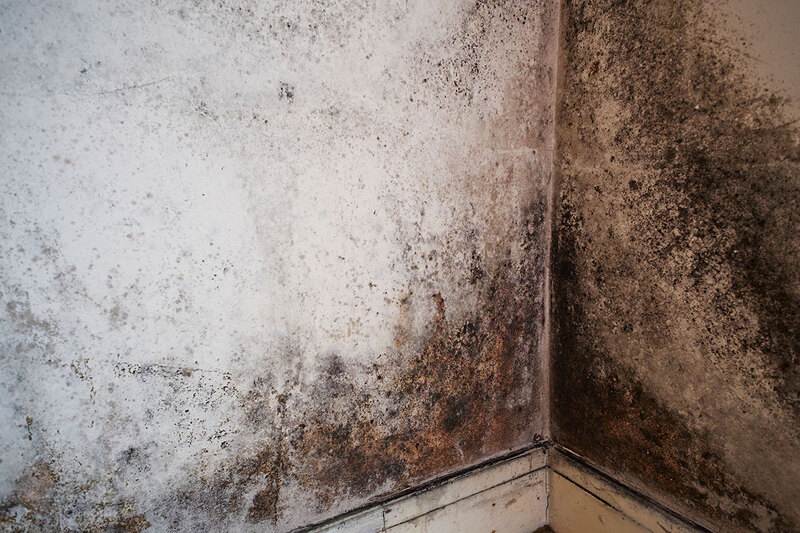 Social landlords are mainly complying with the requirements of Awaab’s Law but face “growing pressures” around capacity and interpretation of the new legislation, a survey has found #UKhousing
More than 100 providers surveyed by Housemark said that most of the time they are investigating and fixing emergency hazards and significant damp and mould within the new legal deadlines.
Seven in 10 social landlords say they are meeting Awaab’s Law regulations more than 90% of the time, the data shows.
But while compliance appears to be high, the survey suggests landlords differ in how they interpret the legislation, and face capacity challenges in meeting the new requirements.
Read More
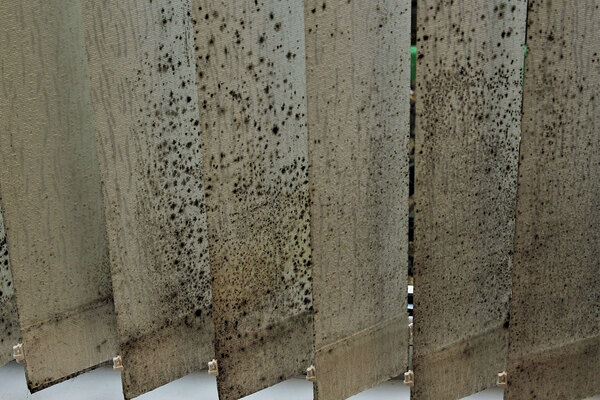

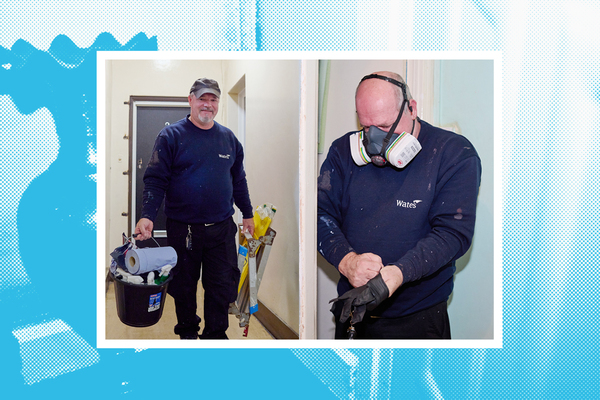
The group of 154 housing associations, councils and ALMOs of different sizes across the UK were polled in November and December, just after the regulations came into force.
Nearly half of the providers polled said they had discovered between zero and 10 emergency hazards, while some reported more than 150, showing huge variance in the results.
The median number of emergency hazards per 1,000 homes reported by the landlords in November was 17.
However, Housemark highlighted that this was only about a quarter of the equivalent monthly figure for emergency repairs reported in tenant satisfaction measures (TSMs) for 2024-25.
According to the data company, this could be explained by landlords using different processes to capture emergency hazards compared to those used for emergency repairs.
Housemark also pointed to other findings on the early impact of Awaab’s Law on the sector.
These include a 14% rise in empty properties in December amid higher decants and extended repairs, evidence that landlords are holding more voids for potential decants and a rise in significant damp and mould cases between November and December.
The data company added that providers with strong compliance records tend to have clearer definitions and processes in place for the regulations.
Performance data also shows the impact of capacity constraints. In November, 71% of emergency hazards were resolved within 24 hours.
However, this fell to 56% in December, though this could reflect seasonal workforce pressures rather than reduced compliance effort.
A previous survey by Housemark Hub and Pennington Choices found that just one in 10 landlords felt fully prepared for the roll-out of Awaab’s Law.
Jonathan Cox, chief data officer at Housemark, said: “Awaab’s Law is driving real change in how safety is prioritised and managed.
“What the early data shows is that landlords are largely doing the right thing once hazards are identified, but the biggest challenge lies in interpretation, capacity and consistency.
“As the sector moves beyond the first phase of implementation, robust data and professional judgement will be critical to sustaining compliance and protecting residents.”
Sign up to Inside Housing’s Asset Management newsletter
Inside Housing’s Asset Management newsletter brings you comprehensive in-depth news, comment, insight and analysis of how affordable housing providers are managing their homes
Click here to register and receive the Asset Management newsletter straight to your inbox.
And subscribe to Inside Housing by clicking here.
Already have an account? Click here to manage your newsletters.
Related stories