You are viewing 1 of your 1 free articles
3 things we learned from our allocations investigation
In January, Inside Housing Management published the results of an exclusive investigation into social housing allocations, which revealed a dramatic shift since 2019. Anna Highfield explains three key takeaways


 3 things we learned from our allocations investigation #UKhousingAnna Highfield explains three key takeaways of Inside Housing Management’s exclusive investigation into how social housing allocations have changed since 2019 #UKhousing
To investigate the changing nature of social housing allocations across the UK, Inside Housing Management obtained data from more than 230 local authorities across England, Scotland and Wales, which all use priority banding systems to allocate social homes.
Using Freedom of Information requests, we asked councils to share the numbers of allocations made from each of their priority housing bands (bands 1 to 5) for each year going back to 2019-20. We also asked councils for the total number of households on their housing waiting lists within each band at the end of each financial year, going back to 2019-20.
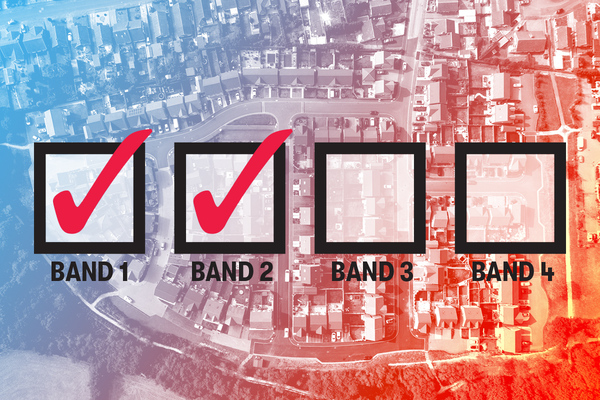
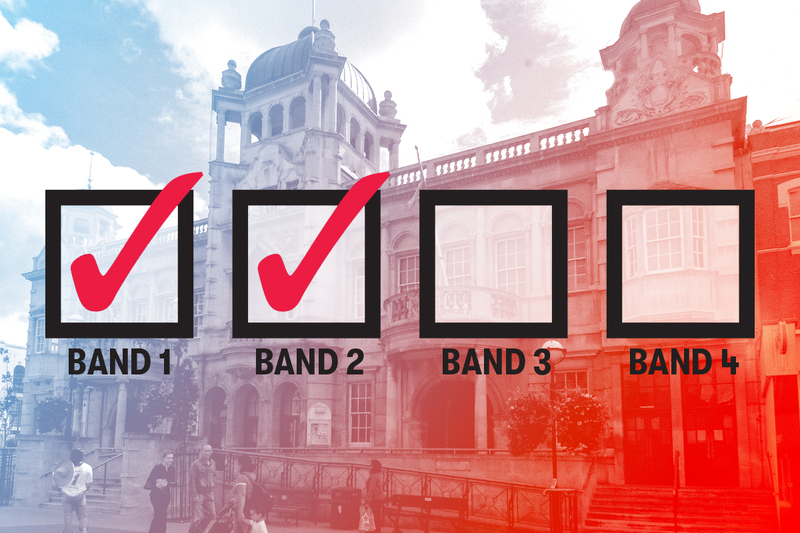
The data revealed a dramatic shift in the proportion of allocations being made from councils’ ‘most urgent’ bands (bands 1 and 2, or equivalent) compared with their ‘least urgent’ bands (bands 3, 4 and 5, or equivalent) between 2019-20 and 2024-25. Our subsequent investigation showed that this is having a significant impact on some housing management teams.
You can read the results of the investigation in full here.
Here are three key findings:
1. Allocations are increasingly going to the ‘most urgent’ bands
Across the UK, social housing allocations are increasingly going to households in councils’ most urgent housing bands (bands 1 and 2, or equivalent), rather than their least urgent bands (bands 3, 4 and 5, or equivalent), with major implications for housing management teams.
The 230 local authorities that responded to our Freedom of Information requests allocated 52.9% of their total available social homes to households in bands 1 and 2 in 2019-20.
In 2024-25, the same local authorities allocated 68.8% of their total available social homes to households in bands 1 and 2 – a dramatic increase.
The vast majority of local authorities reported the same shift, with 79% (129 out of the 163 that provided data for both years) showing a higher proportion of allocations to bands 1 and 2 in 2024-25 compared to 2019-20.
It was a year-on-year trend, with the overall proportion of allocations from bands 1 and 2 across these councils increasing every year between 2019-20 and 2024-25.
Some councils at the extreme end of the trend saw an even more dramatic increase; one council’s allocations rose from 23.2% to bands 1 and 2 in 2019-20 to 83.1% to bands 1 and 2 in 2024-25.
You can read more about the reasons behind this trend in the full article here.
2. Housing providers are grappling with more complex caseloads as a result
Housing management teams said they are are grappling with more complex caseloads as a result of the shift towards a higher proportion of allocations from bands 1 and 2.
A housing provider in the North East of England, which has been kept anonymous, said one of its new build estates became “unsustainable” for residents and staff after 100% of allocations were made from bands 1 and 2.
Among other issues, this resulted in a disproportionately high number of domestic abuse survivors being placed in houses side by side, which led to “triggering issues [for residents] on an almost daily basis”, according to the estate’s housing officer.
Read the full story about this estate here.
Other housing providers have reported comparable challenges as a result of changing allocations.
In Powys, where allocations from the most urgent bands rose from 9.6% of all allocations in 2019-20 to 47.4% of all allocations in 2024-25, the council said the shift has led to “increased demand on our [housing] teams”.
A Powys Council spokesperson added: “Staff are now working with a higher proportion of tenants who have experienced homelessness or have complex needs.”
In Wiltshire, allocations from the most urgent bands rose from 28.7% of all allocations in 2019-20 to 72.8% of all allocations in 2024-25. The council said staff are dealing with “cases that involve complex needs, such as homelessness prevention or supporting care leavers”, more often, which has “increased the intensity of case management”.
3. As allocation numbers fell, waiting lists grew
Across the 163 local authorities that responded with data for both years, the total number of allocations made fell by 15.2% between 2019-20 and 2024-25. Across the same timeframe, the housing waiting lists of these councils grew by 28%.
The trend reflects a clash between growing demand for housing and an increasingly squeezed housing supply.
Latest official statistics showed that in England alone, 330,410 households were homeless or at risk of homelessness as of March 2025. Meanwhile, the government last year estimated that the country would need 300,000 new homes per year to meet demand.
A spokesperson for the Local Government Association said that with the housing crisis “choking supply”, there is “only so much that allocations can do”.
They added: “Especially in boroughs with high numbers of urgent cases – the sheer compounding effect of [the housing and homelessness crises] all at once is causing a spiral.”
Read the full findings of our allocations investigation here.
Subscribe to Inside Housing Management and sign up to the weekly newsletter
Inside Housing Management is the go-to source for learning, information and ideas for housing managers.
Subscribe here to read the articles.
Already have an account? Click here to manage your newsletters.
Related stories