You are viewing 1 of your 1 free articles
Number of social rented homes lost doubles in a year to hit nearly 4,000
New government figures show that 4,000 social rented homes were lost in England last year, more than double the year before.


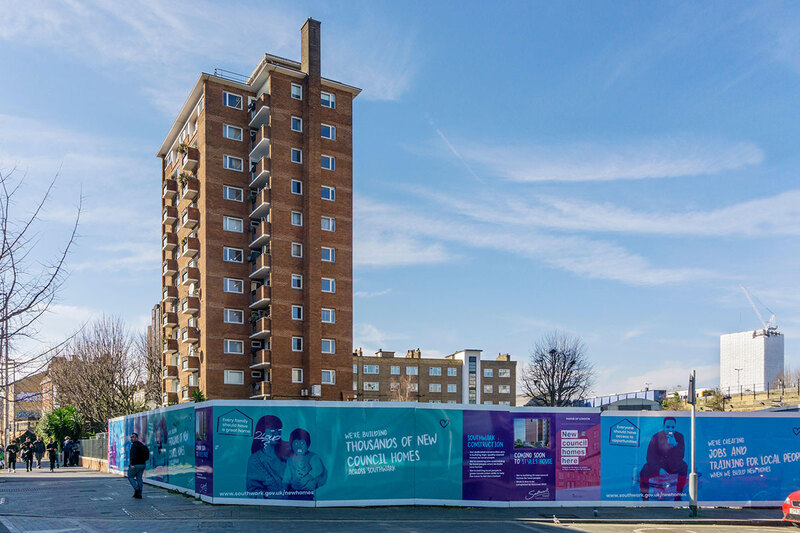 Number of social rented homes lost doubles in a year to nearly 4,000, official statistics show #UKhousing
In the year 2024-25, there was a net loss of 3,834 homes for social rent, according to figures published yesterday by the Ministry of Housing, Communities and Local Government (MHCLG).
This is a rise on the 1,687 social rented homes lost in 2023-24, and has prompted concern from homelessness charities that the figures are heading in the wrong direction.
Matt Downie, chief executive of Crisis, said: “Behind today’s figures are hundreds of thousands of people facing the trauma and indignity of homelessness because we are not building new social homes at anywhere close to the scale required.”
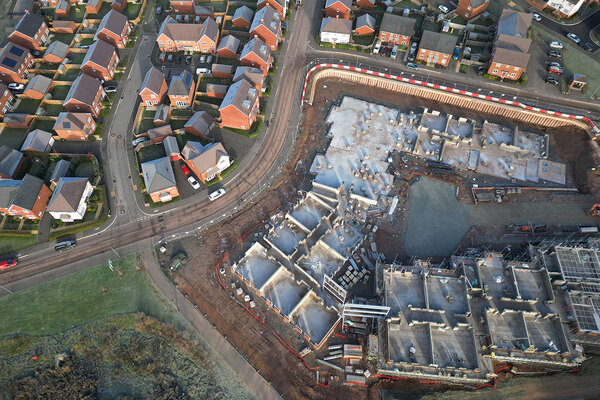
The data shows that while 16,291 social homes were either sold or demolished, just 10,807 were built. There were 188 social rented homes gained by private registered providers, but these were offset by 4,022 losses for local authorities.
Losses to social rent stock consist mainly of sales, with 13,673 social rent sales taking place in 2024-25, making up 64% of social rent losses.
While social rented homes dropped overall, social housing for rent, which includes social rent, affordable rent, London affordable rent and intermediate rent, grew by 23,189 homes.
This was driven by an estimated 21,462 more affordable rent homes owned by private registered providers, while local authorities saw a net increase of 4,166 homes.
In November, government statistics on affordable housing supply showed that in 2024-25 there were 10,810 social rent starts, the highest figure since 2016-17.
Mr Downie added: “On taking office, the government promised to deliver a new generation of social homes. We back them to the hilt on this ambition but fear they are on course to fail unless urgent action is taken.
“The best evidence shows that we need 90,000 social homes delivered a year to turn the tide on rising homelessness – but we’re a far cry from that.
“In London, there have already been moves to reduce affordable housebuilding targets, which we worry will have a long-term impact on delivering social homes for generations to come.
“Government must go further and faster, bringing forward promised funding to boost the delivery of social homes and setting a national minimum target on large-scale housing developments to focus minds.”
According to the statistical release, the Regulator of Social Housing has a different way of measuring the change in stock of social housing for rent, which compares homes held by local authorities and private registered providers from one year to the next.
Both measures show a net decrease in social housing stock, but the RSH’s figure is slightly lower at 2,320.
MHCLG said this difference was explained by the RSH’s data including both small and large providers, and the regulator’s inclusion of temporary accommodation that meets the legal definition of social housing.
Sign up to Inside Housing’s Daily News bulletin
Sign up to Inside Housing’s Daily News bulletin, featuring the latest social housing news delivered to your inbox.
Click here to register and receive the Daily News bulletin straight to your inbox.
And subscribe to Inside Housing by clicking here.
Already have an account? Click here to manage your newsletters.
Related stories